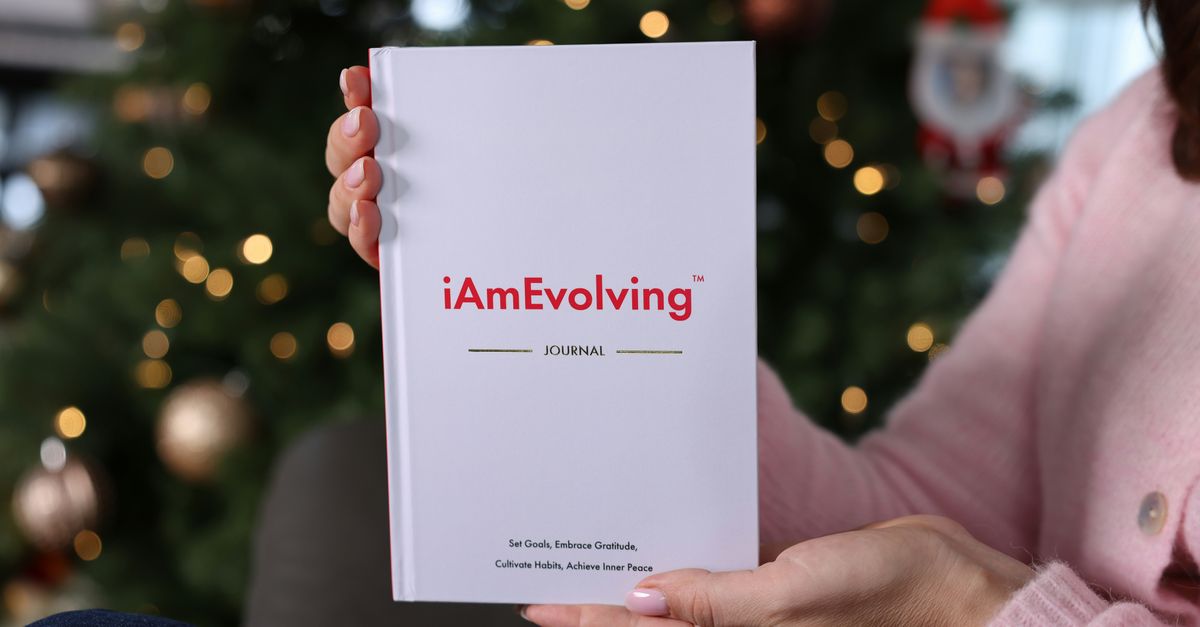
Discover why traditional gratitude journaling often falls short and learn actionable strategies for cultivating genuine, lasting joy beyond a simple list.
For years, I bought into the hype of gratitude journals. Every night, or most mornings, I’d dutifully list three to five things I was grateful for: ‘My morning coffee,’ ‘A sunny day,’ ‘My comfortable bed.’ I saw people online gushing about how this practice had transformed their lives, brought them immense joy, and even boosted their resilience. I wanted that. I really did. I kept it up for weeks, sometimes months, convinced that if I just stuck with it, the magic would eventually click for me too.
But the truth? It felt… flat. Sometimes, it even felt like another item on my never-ending to-do list, a chore rather than a joy. I’d write down my list, close the journal, and the profound shift in perspective I was promised never quite materialized. My everyday anxieties still loomed. My frustrations didn’t magically dissolve. The profound sense of deep, unwavering appreciation seemed to elude me. I started to wonder: was I doing it wrong? Or was there something more to genuine gratitude than just writing down a few bullet points?
What I’ve come to understand, after years of personal growth work and delving into the psychology of happiness, is that surface-level gratitude journaling often misses the very essence of what makes gratitude so powerful. It’s not about the list; it’s about the depth of feeling, the conscious acknowledgement, and the integration of that feeling into your lived experience. If you, like me, have felt a disconnect between the idea of gratitude and its actual impact on your life, this insight is for you. It’s time to move beyond the superficial and embrace practices that truly cultivate lasting joy and genuine appreciation.
Key Takeaways
- Traditional gratitude lists often become a superficial chore rather than a transformative practice because they lack emotional depth and specific sensory detail.
- True gratitude involves engaging all senses and reflecting on the why and how behind your blessings, not just listing them.
- Integrate gratitude into daily routines through ‘micro-moments’ of appreciation, focusing on specific details to enhance emotional connection.
- Proactively seek out and create opportunities for gratitude by performing acts of kindness and practicing ‘subtracting’ what you have to appreciate its presence.
The Superficiality of the List: Why “My Coffee” Doesn’t Stick
When you jot down ‘My morning coffee’ in your gratitude journal, what’s really happening in your brain and heart? For most of us, it’s a quick mental scan, a perfunctory nod to something pleasant. We’ve been told to be grateful for the simple things, and coffee is undeniably simple and pleasant. But the problem isn’t the coffee itself; it’s the lack of specificity and emotional engagement. The human brain is incredibly good at habituating to stimuli, even positive ones. If ‘my coffee’ is on your list every day, it quickly becomes background noise, losing its emotional punch.
In my experience, the mistake I see most often is that people treat gratitude like a checklist. It’s almost as if ticking off items absolves them of the deeper work. But genuine gratitude isn’t a mental accounting exercise; it’s an emotional experience. It’s about feeling the warmth of the mug, smelling the rich aroma, savoring the first sip, and reflecting on the journey of those beans, the hands that prepared them, and the comfort they bring. When you just write ‘my coffee,’ you’re bypassing all of that rich sensory and emotional detail.
What changed everything for me was realizing that gratitude isn’t just about what you’re grateful for, but how deeply and specifically you allow yourself to feel and acknowledge it. Instead of ‘My comfortable bed,’ try, ‘I am profoundly grateful for the soft firmness of my mattress, which cradles my tired body each night and allows me to sink into restorative sleep, waking refreshed and ready for the day.’ See the difference? One is a label; the other is an immersive experience. The latter forces your brain to engage, to recall the sensations, and to connect with the underlying value. This level of detail transforms a superficial note into a genuine moment of appreciation that resonates long after your pen leaves the page.
Moving Beyond the What to the Why and How
Many of us stop at the ‘what’ of gratitude: ‘I’m grateful for my health,’ ‘I’m grateful for my job.’ While these are important, they often remain abstract. To truly unlock the power of gratitude, you need to delve into the ‘why’ and the ‘how.’ Why are you grateful for your health? How does it manifest in your daily life? How does your job enable you to live the life you want or contribute to the world?
Let’s take ‘I’m grateful for my health.’ This is a wonderful sentiment, but it’s broad. To make it impactful, consider specific examples. “I am grateful for the strength in my legs that allowed me to take a long, invigorating walk this morning, feeling the sun on my face and the wind in my hair, clearing my mind and energizing my spirit.” Here, you’re not just acknowledging health; you’re acknowledging a specific experience made possible by that health. You’re feeling the benefit, connecting it to an action, and recognizing the joy it brought.
Similarly, with a job: instead of ‘I’m grateful for my job,’ try ‘I am deeply appreciative of my job’s flexibility, which allowed me to pick up my child from school today and spend an extra hour playing with them, creating a precious memory that wouldn’t have been possible otherwise.’ Or, ‘I’m grateful for the creative challenges my job presents, which push me to learn new skills and feel a sense of accomplishment at the end of each week.’ This approach shifts your focus from a general concept to the tangible impacts and emotional resonance of that concept in your life.
This method requires a bit more effort than a simple list, yes. But that effort is precisely what makes it effective. It compels you to pause, reflect, and actively seek out the threads connecting the blessing to your emotions and experiences. It moves gratitude from a passive observation to an active engagement, cementing its presence in your consciousness.
The Power of ‘Subtracting’: Appreciating What Could Be Missing
One of the most profound shifts in my gratitude practice came when I started using what psychologists call ‘subtractive gratitude.’ Instead of merely listing what I have, I began to intentionally imagine my life without certain blessings. This isn’t about dwelling on negativity; it’s about proactively contrasting your present reality with a potential absence, which heightens appreciation for what is present.
For example, instead of just being grateful for running water, take a moment to imagine what life would be like if you didn’t have it. Picture the effort of carrying water, the challenges of hygiene, the fear of scarcity. Then, return to the reality of turning on a tap and having clean, abundant water flow effortlessly. The immediate surge of gratitude is often far more potent than simply acknowledging ‘running water.’
I’ve applied this to various aspects of my life. When I’m feeling overwhelmed by my to-do list, I sometimes pause and imagine what it would be like if I had no responsibilities, no projects, no one relying on me. While tempting for a fleeting moment, I quickly realize that many of those responsibilities are tied to things I genuinely value: my career, my home, my family. This ‘subtraction’ often transforms my irritation into a quiet appreciation for the richness and purpose in my life, even with its demands.
This practice is powerful because it combats hedonic adaptation – our tendency to quickly adjust to new circumstances, even positive ones, and take them for granted. By intentionally reminding ourselves of the potential absence, we reset our baseline of appreciation, making us more attuned to the constant blessings we often overlook. It’s a bit like imagining losing your sense of sight, and then opening your eyes and truly seeing the vibrant colors around you for the first time again. The experience is transformative.
Integrating Gratitude into Micro-Moments, Not Just Journal Time
One of the biggest limitations of the gratitude journal, especially if it feels like a chore, is that it relegates gratitude to a specific, isolated moment in your day. True, lasting joy comes from weaving gratitude into the fabric of your daily life, making it a natural lens through which you view the world. This is where ‘micro-moments’ of gratitude come in.
Instead of waiting for your journaling session, practice spontaneous moments of appreciation throughout your day. These are small, deliberate pauses where you consciously acknowledge something positive. It could be while washing dishes, feeling the warmth of the water and appreciating its cleansing power. It could be while waiting in line, noticing the intricate design on a stranger’s jacket or the sound of birds outside. It could be the first bite of a delicious meal, allowing yourself to truly savor its flavors and textures.
The key to these micro-moments is to engage all your senses and make it a conscious, internal act. Don’t just think ‘nice cup of tea.’ Instead, hold the warm mug, inhale the subtle aroma, feel the heat spreading through your hands, and quietly think, ‘How wonderful to have this warm, comforting drink right now.’ These tiny, fleeting moments accumulate, gradually rewiring your brain to notice and appreciate the positive more consistently.
This shift moves gratitude from a scheduled activity to an ingrained habit of mind. It teaches you to find joy in the mundane, to see beauty in the ordinary, and to recognize the constant stream of small blessings that make up a day. Over time, this consistent practice changes your baseline mood, fostering a more optimistic and appreciative outlook without the pressure of a formal journal entry.
Proactive Gratitude: Creating Opportunities for Thanks
While reactive gratitude (appreciating what you receive) is vital, proactive gratitude — intentionally creating situations for gratitude to arise — can be even more impactful. This involves taking action that either benefits others or puts you in a position to recognize blessings you might otherwise overlook.
One powerful way to practice proactive gratitude is through acts of kindness. When you genuinely help someone, whether through a kind word, a thoughtful gesture, or tangible support, you often experience a profound sense of satisfaction and interconnectedness. This act isn’t just about benefiting the other person; it’s also about generating a feeling of gratitude within yourself for the ability to give, for the connection forged, and for the positive impact you’ve made.
In my own life, I’ve found that volunteering, even for a few hours a month, brings a deep sense of purpose and appreciation. Seeing the challenges others face, or simply contributing to a cause I believe in, invariably makes me more grateful for my own circumstances and for the resources I have. It shifts perspective in a way that simply listing ‘my home’ never could; it grounds my gratitude in tangible experience.
Another form of proactive gratitude involves intentionally seeking out beauty or wonder. This could be planning a walk in a local park to admire nature, visiting an art gallery, or simply spending time observing a sunset. These activities aren’t just pleasant pastimes; they are deliberate attempts to expose yourself to experiences that naturally evoke feelings of awe, wonder, and profound gratitude for the world around you. By actively seeking these moments, you’re not just passively receiving; you’re cultivating a fertile ground for gratitude to blossom organically.
By engaging in proactive gratitude, you become an active participant in cultivating your own well-being. You move beyond waiting for things to be grateful for and start actively shaping a life that is rich with moments of appreciation and connection.
Frequently Asked Questions
Q1: Is traditional gratitude journaling completely useless then?
A1: Not at all! It’s a great starting point for many. The intention isn’t to say it’s useless, but rather that for many, it can become superficial if not approached with depth and emotional engagement. If a simple list works for you and genuinely enhances your well-being, keep doing it. The aim here is to offer strategies for those who, like me, found it wasn’t creating the lasting impact they hoped for and wanted to deepen their practice.
Q2: How long should I spend on these deeper gratitude practices each day?
A2: The beauty of these deeper practices, especially integrating micro-moments, is that they don’t require a significant time commitment. You can spend 30 seconds truly savoring your morning tea, 1 minute reflecting on a specific detail of your commute, or 5 minutes at the end of the day writing a detailed entry about one impactful moment. The key is quality over quantity – deeper reflection for shorter bursts is often more effective than superficial listing for longer periods.
Q3: What if I’m going through a really tough time and can’t find anything to be grateful for?
A3: This is where subtractive gratitude can be particularly powerful. Even in the darkest times, imagining how things could be worse (without dwelling on negativity) can sometimes reveal a glimmer of gratitude for what is still present. Focus on the absolute basics: the breath in your lungs, the fact that you have shelter, even the resilience within you to keep going. It’s not about denying your pain, but about finding small anchors of appreciation. Also, engaging in proactive gratitude (even a small act of kindness) can shift your focus and create a positive internal feeling, even when things are difficult.
Q4: How do I make sure I don’t just ‘habituate’ to these new practices too?
A4: Variety and intentionality are key. Regularly switch up your approach – sometimes use subtractive gratitude, other times focus on sensory details, or perform a small act of kindness. The ‘micro-moment’ approach helps because each moment is distinct. Continuously ask yourself ‘why’ and ‘how,’ forcing deeper engagement. Periodically, you might even take a break from formal practice for a day or two, just to reset your appreciation for the practice itself.
Q5: Does this mean I should stop writing things down entirely?
A5: Absolutely not! Writing can be a powerful tool for reflection. Instead of a simple bulleted list, consider writing a short paragraph or a few sentences about one specific thing you’re grateful for, delving into the ‘why,’ ‘how,’ and the sensory details. This combines the benefits of writing with the deeper, more impactful forms of gratitude discussed.
Moving beyond a mere checklist to a deeply felt, integrated practice of gratitude has been one of the most significant shifts in my personal well-being journey. It’s not about finding more things to be grateful for; it’s about feeling the gratitude for what’s already present with a depth and specificity that truly transforms your perspective. Begin by slowing down, engaging your senses, and asking ‘why’ and ‘how.’ You’ll find that genuine, lasting joy isn’t just an aspiration, but a felt reality, woven into the very fabric of your everyday life.
The Scribe
Maya Singh
Relationships and personal growth
A compassionate life coach and mentor, Maya specializes in guiding individuals toward greater emotional intelligence and stronger bonds.