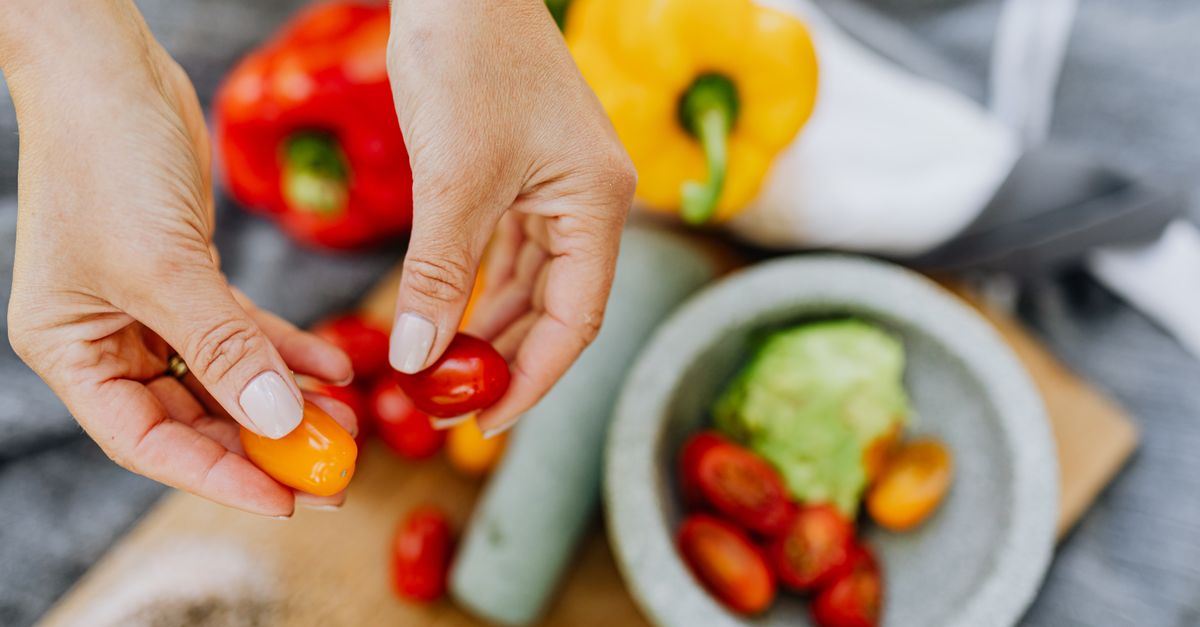
Simple meal prep often disappoints in reality. Discover why common advice misses the mark and my flexible strategy that actually works for busy lives.
We’ve all seen the aspirational photos: neat rows of perfectly portioned chicken and broccoli, vibrant salads, and overnight oats, all promising a week of effortless, healthy eating. The gurus tell us it’s simple: dedicate a few hours on Sunday, and you’re set. I fell for it, hook, line, and sinker. I bought all the containers, downloaded the elaborate meal plans, and optimistically chopped my way through countless Sunday afternoons.
But the reality was always a messy disconnect from the Instagram fantasy. By Wednesday, I was bored to tears with the same exact lunch. By Thursday, that meticulously prepped chicken was looking (and smelling) a little sad. By Friday, I’d given up entirely, ordering takeout and feeling guilty about the wasted food and effort. My Sundays, which were supposed to feel productive, often ended in exhaustion and the looming dread of another week of uninspired meals. Why was something so seemingly straightforward failing me, and so many others?
The truth is, the popular ‘simple’ meal prep advice misses a fundamental human element: our desire for variety and our unpredictable daily lives. It assumes we’ll crave the same flavors day after day and that our schedules won’t throw curveballs. After years of frustration, I finally cracked the code, not by doing more meal prep, but by doing it smarter. What changed everything for me was shifting from a rigid, ‘batch and forget’ mindset to a flexible, component-based system that prioritizes adaptability and minimizes food waste. It’s less about cooking entire meals and more about creating a versatile pantry of building blocks.
Key Takeaways
- Rigid, full-meal batch prepping often leads to boredom and food waste because it neglects our desire for variety and unpredictable schedules.
- The most effective approach is a ‘component-based’ strategy, focusing on prepping versatile ingredients rather than entire dishes.
- Prioritize ‘hero ingredients’ that can be used in multiple ways throughout the week, such as roasted vegetables or grains.
- Embrace strategic leftovers and ‘planned-overs’ to reduce active cooking time on busy weeknights, transforming dinners into new lunches.
- Invest in high-quality storage and understand proper food preservation to extend the life and freshness of your prepped components.
The Rigidity Trap: Why ‘Batch and Forget’ Leads to Boredom and Waste
The biggest mistake I see most often in traditional meal prep is the insistence on cooking entire, identical meals for the whole week. It sounds efficient in theory: make five portions of chicken and rice, and you’re done. But think about your actual life. Do you eat the same dinner for five nights straight? Probably not. So why would you expect to enjoy the same lunch, day after day, for a full work week?
In my own experience, this approach led to severe palate fatigue. By Tuesday, I was already eyeing the office cafeteria. By Wednesday, my prepped meal felt like a chore, not a convenience. This wasn’t just about taste; it was about the mental drain of monotony. Food should be enjoyable, a small ritual of daily life, not a bland obligation.
Beyond boredom, this rigid system is a prime suspect for food waste. Life happens. A spontaneous dinner invitation, an unexpected lunch meeting, or simply a shift in craving means those prepped meals sit untouched. I’ve thrown out more than my fair share of perfectly good, but unappetizingly stale, ‘Monday’s lunch’ on a Friday because I just couldn’t face it. This isn’t saving time or money; it’s creating more work and guilt.
What actually works is acknowledging that flexibility is key. Our tastes, our energy levels, and our social lives are not static. A meal prep strategy must accommodate this dynamism, not fight against it. The goal should be to make healthy eating easier and more enjoyable, not just more pre-planned. This means moving away from fully assembled meals and towards versatile components.
The Power of the Component-Based Prep: Building Blocks, Not Full Meals
The game-changer for me was ditching the ‘full meal’ concept and embracing component-based prep. Instead of assembling five identical chicken salads, I now prep elements that can be mixed and matched. Think of it like having a well-stocked pantry, but for ready-to-eat ingredients.
Here’s how it works in my kitchen:
- Proteins: Instead of cooking chicken breast to be eaten with rice, I’ll roast a tray of chicken thighs or pan-sear some ground turkey. These are seasoned simply so they can adapt. One night, the chicken might go into a quick stir-fry. The next day, it’s sliced over a salad. Later, shredded, it becomes taco filling.
- Grains: I’ll cook a large batch of quinoa or brown rice. Half of it might be eaten warm with dinner, the other half is stored for cold salads or quick fried rice later in the week. Sometimes, I’ll cook a batch of pasta too, ready for a simple sauce.
- Vegetables: This is where versatility truly shines. Instead of making one specific veggie dish, I’ll roast a big sheet pan of mixed seasonal vegetables – broccoli, bell peppers, zucchini, sweet potatoes. These are phenomenal warm, cold, in salads, stirred into eggs, or as a side to any protein. I also chop up a large quantity of raw salad greens and other sturdy veggies like carrots and cucumbers.
- Sauces/Dressings: I often make one or two versatile dressings or sauces from scratch – a simple vinaigrette, a peanut sauce, or a quick pesto. These elevate any combination of the above components.
This approach gives me immense freedom. On Monday, I might have roasted chicken with quinoa and roasted veggies. On Tuesday, I could toss the leftover quinoa and veggies into a salad with fresh greens and a different dressing, adding some of the prepped chicken. Wednesday, perhaps tacos with the shredded chicken and some fresh toppings. The mental burden of eating the ‘same thing’ vanishes, and I’m far less likely to resort to takeout.
Hero Ingredients: How to Choose Wisely for Maximum Versatility
Not all ingredients are created equal in the world of meal prep. Some are true workhorses, capable of transforming into multiple dishes throughout the week, while others are one-hit wonders. I’ve learned to focus my efforts on these ‘hero ingredients’ that offer maximum versatility and longevity.
For Eliza Thorne, my top hero ingredients include:
- Roast Chicken Thighs (or whole chicken): Thighs stay moister than breasts and are incredibly forgiving. They can be eaten as a main, shredded for sandwiches/wraps, diced for salads, or stirred into soups and curries. A whole roasted chicken provides even more options, yielding meat for days and bones for a rich broth.
- Quinoa or Brown Rice: These cook in larger batches easily and keep well. They form the base of grain bowls, side dishes, salads, or can be quickly sautéed for a ‘fried’ version with eggs and veggies.
- Roasted Root Vegetables (sweet potatoes, carrots) & Cruciferous Veggies (broccoli, cauliflower): These hold up incredibly well in the fridge. They’re delicious hot or cold, can be mashed, added to scrambles, tossed into salads, or simply reheated as a side.
- Hard-Boiled Eggs: A protein powerhouse. Perfect for a quick snack, chopped into salads, or served on toast. They last easily for a week in the fridge.
- Sturdy Greens (kale, cabbage, romaine hearts): While delicate greens wilt quickly, massaged kale, shredded cabbage, or whole romaine hearts stand the test of time. They’re excellent for salads, wraps, or lightly sautéed.
By focusing on these adaptable heroes, I ensure that my Sunday prep isn’t just a time-saver, but a creativity booster. It gives me the foundation to assemble a variety of delicious, healthy meals without feeling locked into a rigid menu.
The Strategic Leftover: ‘Planned-Overs’ That Spark Joy, Not Dread
The concept of leftovers often conjures images of sad, reheated meals. But what if leftovers were planned? What if they were designed to be even better the next day, or intentionally transformed into a completely different dish? This is the philosophy of ‘planned-overs,’ and it’s a cornerstone of my effective meal prep strategy.
Instead of cooking just enough for dinner, I intentionally cook a larger quantity of dinner components, knowing they’ll serve a dual purpose. For example:
- Roast more vegetables than needed: If I’m roasting a tray of sweet potatoes and broccoli for dinner, I’ll roast double. The extra becomes a base for tomorrow’s lunch salad or a quick addition to an omelet.
- Grill extra protein: When I fire up the grill for chicken or fish, I’ll always make enough for lunch the next day. A grilled chicken breast from dinner becomes a chicken Caesar salad for lunch, or sliced for wraps.
- Double soup or stew batches: Soups and stews almost always taste better the next day as the flavors meld. A big pot on Monday means several nights off cooking or ready-to-go lunches.
The key is to think about the next meal while you’re cooking the current one. How can this component be repurposed? What simple addition or change will make it feel fresh? For instance, leftover pasta with marinara can be mixed with ricotta and baked for a quick pasta bake. Leftover rice can become fried rice with an egg and some frozen veggies. It’s about seeing the potential for transformation, not just reheating.
This strategy is not only efficient, but it also reduces food waste. Very little goes into the compost bin when you’ve got a plan for every morsel. It turns meal prep from a standalone chore into an integrated part of your cooking rhythm, saving you precious time and mental energy throughout the week.
Mastering Storage and Preservation: Extending the Life of Your Effort
All the clever prepping in the world won’t matter if your food spoils before you can enjoy it. Effective storage and preservation are often overlooked but are absolutely critical to the success of a flexible meal prep system. I’ve made costly mistakes here, throwing out food because I didn’t store it properly. Now, it’s a non-negotiable part of my routine.
Here’s what I’ve learned actually works:
- Invest in Quality Containers: Ditch the flimsy plastic. High-quality glass containers with airtight lids are a game-changer. They don’t stain, don’t retain odors, are microwave- and oven-safe (without the lid), and last forever. Good silicone lids also make a big difference in sealing in freshness.
- Cool Completely Before Storing: This is paramount. Hot food placed directly into the fridge raises the overall temperature, creating a breeding ground for bacteria and diminishing the quality of nearby foods. Always let food cool on the counter for a reasonable amount of time (no more than 2 hours) before sealing and refrigerating.
- Portion Strategically: Even with component-based prep, I don’t throw everything into one gigantic container. I separate proteins, grains, and veggies into smaller, often single-serving or double-serving containers. This allows me to pull out just what I need without disturbing or contaminating the rest.
- Understand Shelf Life: Not all prepped foods last equally long. Cooked grains, roasted vegetables, and most cooked meats are generally good for 3-4 days. Heartier stews and soups can sometimes stretch to 5. Raw chopped vegetables (like bell peppers, carrots, cucumbers) can last longer, often 5-7 days, if stored in airtight containers with a paper towel to absorb excess moisture.
- Leverage Your Freezer: For items with a shorter shelf life or when I’ve prepped a truly massive batch, the freezer is my best friend. Soups, stews, cooked grains, and even some roasted vegetables (like sweet potatoes) freeze beautifully. Label everything with the date! This extends your prep efforts from days to weeks or even months.
- Acidity for Freshness: For things like cut apples or avocados (if prepping for a short window), a quick squeeze of lemon or lime juice can prevent browning. For salads, keep dressing separate until just before eating.
Mastering these storage techniques has drastically reduced my food waste and ensured that the effort I put into my Sunday prep truly pays off throughout the week. It’s not just about cooking; it’s about intelligent preservation.
FAQs
Q: How much time should I dedicate to meal prep if I’m using your component-based method?
A: With the component-based method, you’ll likely spend 1-2 hours on a dedicated prep day. This includes washing, chopping, and cooking 2-3 proteins, 1-2 grains, and a large batch of roasted or raw vegetables. It’s less about cooking full meals and more about creating a versatile pantry of ready-to-use ingredients.
Q: What are some examples of versatile components I should always prep?
A: My top recommendations are roasted chicken thighs, cooked quinoa or brown rice, sheet-pan roasted seasonal vegetables (like broccoli, sweet potatoes, bell peppers), and hard-boiled eggs. These can be mixed and matched into countless meals without getting boring.
Q: My prepped food always gets soggy or tastes stale after a few days. What am I doing wrong?
A: The most common culprit is not cooling food completely before storing it. Hot food creates condensation in containers, leading to sogginess and faster spoilage. Also, ensure you’re using airtight containers, and for salads, always keep dressings separate until just before serving.
Q: How do I incorporate ‘planned-overs’ into my week without feeling like I’m eating the same meal?
A: The trick is to transform them. For example, leftover roasted chicken and veggies from dinner can become a vibrant grain bowl for lunch with fresh greens and a new dressing. Leftover ground beef from tacos can be spiced differently for a quick chili or added to a pasta sauce. Think about new textures, flavors, or formats.
Q: Is it okay to freeze prepped components? What works best?
A: Absolutely! Freezing is excellent for extending shelf life. Cooked grains (like rice or quinoa), hearty soups and stews, cooked ground meats, and some roasted vegetables (like sweet potatoes or butternut squash) freeze very well. Portion them into individual servings before freezing for easy thawing and reheating.
Conclusion
Moving away from the rigid, ‘batch and forget’ model of meal prep was one of the most liberating shifts I made in my kitchen. It transformed my Sundays from a chore into a creative endeavor and my weekdays from a struggle to a flow. By focusing on versatile components, embracing planned-overs, and mastering proper storage, I’ve found a rhythm that actually supports healthy eating without sacrificing variety or taste.
If you’ve felt the same frustration with traditional meal prep, I urge you to try this flexible approach. Start small: prep one protein, one grain, and one big batch of veggies this weekend. See how many different, delicious meals you can create from those simple building blocks. You might just find, as I did, that the secret to consistent, enjoyable healthy eating isn’t more discipline, but more intelligent flexibility.
The Scribe
Eliza Thorne
Home organization and mindful living
A passionate advocate for sustainable living and community well-being, Eliza brings years of experience in organizing and simplifying.