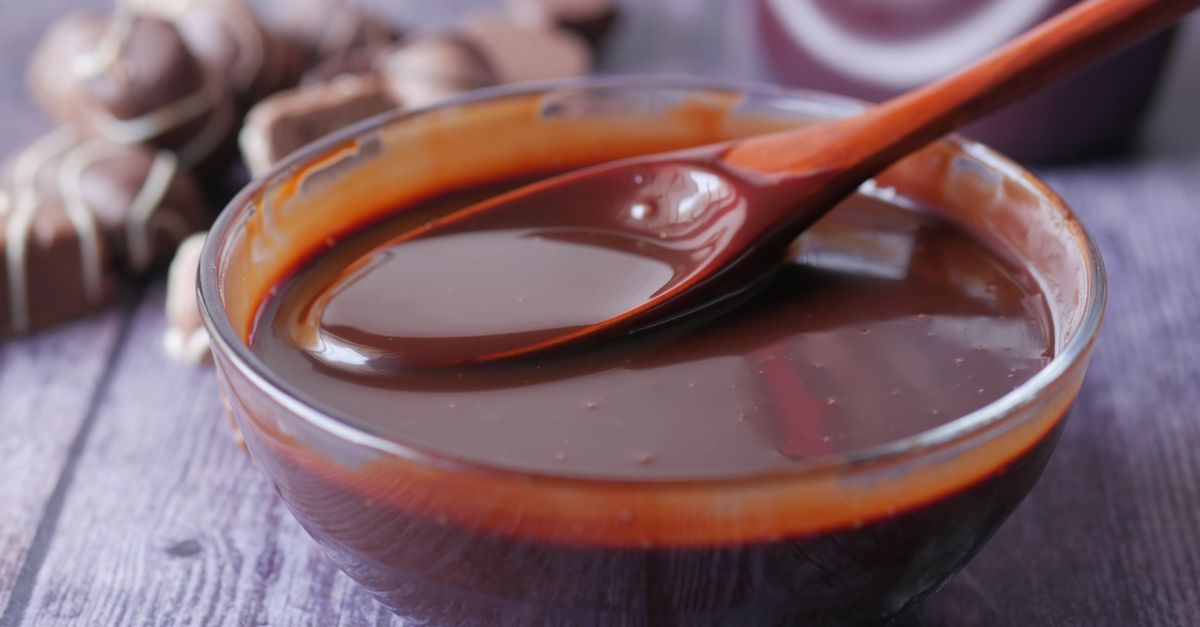
Struggling with watery, bland homemade sauces? Discover the pro secrets to achieve rich, velvety perfection every time, transforming your meals.
There’s nothing quite as disheartening as pouring your heart into a homemade sauce, only for it to turn out watery, bland, and clinging to nothing. You envision a rich, glistening coating for your pasta, a deeply flavorful base for your chicken, or a luscious drizzle for your vegetables. Instead, you get a thin, anemic liquid that pools at the bottom of the plate, leaving your ingredients feeling…naked. It’s a common culinary frustration, one I’ve battled countless times in my own kitchen. For years, my sauces were either gloopy from too much flour or utterly insipid, making me wonder if restaurant-quality texture and depth were simply out of reach for the home cook.
But here’s the secret: achieving that luxurious, full-bodied sauce isn’t about expensive ingredients or complicated techniques. It’s about understanding a few fundamental principles that professional chefs instinctively apply. It’s about patience, observation, and knowing where to intervene. What changed everything for me wasn’t a fancy recipe, but a shift in how I approached the process of sauce-making. I stopped treating sauce as an afterthought and started treating it as the star it truly is. Once I embraced these ‘pro secrets,’ my dishes went from good to truly memorable, proving that a truly magnificent sauce is within reach of anyone willing to learn its subtle language.
Key Takeaways
- Embrace reduction as your primary thickening method for concentrated flavor and natural body, rather than relying solely on starches.
- Build flavor intentionally from the ground up by properly sautéing aromatics and deglazing your pan, creating a deep fond.
- Understand the nuanced roles of various thickening agents, using them judiciously to achieve desired texture without dulling taste.
- Finish your sauces with a strategic touch of fat and fresh herbs off the heat to add gloss, richness, and vibrant aroma.
Over-Reliance on Quick Fix Thickeners (And Why Reduction is King)
Many home cooks, myself included for far too long, instinctively reach for flour or cornstarch at the first sign of a thin sauce. It’s the quick fix, the seemingly obvious solution to add body. But here’s the rub: while starches certainly thicken, they often do so at the expense of flavor. A sauce thickened purely with a cornstarch slurry can taste starchy, muddy, and surprisingly one-dimensional. It lacks the depth and concentration that defines a truly exceptional sauce.
In my experience, the biggest mistake is prioritizing viscosity over flavor development. What changed everything for me was embracing reduction as the primary thickening method. Think of reduction as the slow, patient art of intensifying flavor. When you simmer a thin sauce, allowing the water to evaporate, you’re not just thickening it; you’re concentrating every single flavor molecule. The tomatoes become sweeter, the herbs more potent, the stock richer. This natural process yields a sauce that isn’t just thick, but profoundly flavorful, with a silky texture that starches alone can’t replicate.
Take a classic marinara. If you simply simmer tomatoes for 15 minutes and then add cornstarch, you’ll get a thick red liquid. But if you let that sauce gently bubble for an hour or two, reducing by a third or even half, the sugars in the tomatoes caramelize, the acidity mellows, and the flavor becomes infinitely more complex. The natural pectin in the tomatoes, along with the increased density, provides all the body you need.
Actionable Insight: Before reaching for a starch, ask yourself: “Can this sauce benefit from more simmering?” For brothy sauces, tomato-based sauces, or anything with a liquid base, always try reducing it first over medium-low heat. Stir occasionally to prevent sticking. You’ll be amazed at the natural body and intensified flavor that emerges.
Skipping the Flavor Foundation (The Power of the ‘Fond’ and Deglazing)
A thin sauce isn’t just a texture problem; it’s often a flavor problem. And the foundation of flavor for many sauces begins not with the liquid, but with what happens in the pan before you add the liquid. The mistake I see most often, and one I frequently made myself, is rushing through the initial sautéing of aromatics or searing of meat.
That beautiful brown residue that sticks to the bottom of your pan after sautéing onions, garlic, or searing chicken? That’s called fond, and it’s pure gold. These caramelized bits are packed with concentrated flavor, and leaving them behind is like throwing away the best part of your sauce. Deglazing the pan – adding a liquid like wine, stock, or even water to dissolve these browned bits – is a crucial step that many home cooks either skip or do incorrectly.
I used to just dump my liquids into the pan, hoping the fond would magically incorporate. It doesn’t work like that. What changed everything for me was intentionally scraping the bottom of the pan with a wooden spoon as soon as the liquid hits the hot surface. The sizzle and steam release those sticky, flavorful particles, dispersing them into your nascent sauce and instantly adding a layer of depth that simply wouldn’t exist otherwise. A truly rich sauce needs this depth, this savory complexity built from the ground up.
Actionable Insight: Always properly brown your aromatics (onions, garlic, shallots) until deeply golden, not just translucent. If searing meat, ensure a good crust forms. Then, immediately after removing the main ingredients or once aromatics are caramelized, add your deglazing liquid (wine, stock, or even a splash of vinegar for acidity). Scrape vigorously with a wooden spoon or spatula, ensuring all those delicious browned bits are lifted into the liquid. This simple step adds immense flavor and color.
Misunderstanding Starch Application (Roux, Slurries, and Timing)
While reduction is king for flavor, there are absolutely times when a starch is necessary for a thicker, more consistent sauce, especially for things like gravies, béchamels, or certain pan sauces that need a specific viscosity quickly. The problem isn’t using starch; it’s how it’s used.
My common mistakes were twofold: either adding raw flour directly to a hot liquid, resulting in lumpy, gluey messes, or using a cornstarch slurry too late, which never fully incorporated without diluting the flavor. The secret lies in creating an integrated thickening agent, whether that’s a roux or a properly made slurry, and knowing when to introduce it.
A roux (equal parts fat and flour cooked together) creates a stable thickener that disperses smoothly without lumps and adds a nutty flavor. For clear sauces, a cornstarch slurry (cornstarch dissolved in cold liquid) is key, as adding it to hot liquid prevents lump formation and allows for gradual thickening. What truly solidified my sauce-making skills was understanding the timing—adding starches towards the end, allowing for a few minutes of gentle simmering to cook out any raw flour taste and activate the thickening properties.
Actionable Insight:
- For roux-based sauces (e.g., béchamel, gravy): Melt butter (or other fat) in a saucepan, then whisk in an equal amount of flour. Cook for 1-3 minutes (for a white roux) or longer (for a darker roux, adding more flavor) before gradually whisking in warm liquid. The warm-to-warm liquid approach helps prevent lumps.
- For slurry-based sauces (e.g., pan sauces, stir-fry sauces): Dissolve 1-2 teaspoons of cornstarch or arrowroot powder in an equal amount of cold water or stock until smooth. Drizzle this slurry slowly into your simmering sauce, whisking constantly. Cook for another 1-2 minutes until it reaches your desired consistency. Never add raw cornstarch directly to hot liquid. Start with a small amount; you can always add more, but you can’t easily remove it.
Neglecting the Finishing Touch (Butter, Herbs, and Acidity)
Even a well-reduced, properly thickened sauce can fall flat without a thoughtful finishing touch. This is where many home cooks, myself included, often stop short. We get the consistency right, taste for salt, and call it a day. But a chef knows that the final flourishes are what elevate a sauce from merely good to truly sublime.
I used to think adding a pat of butter at the end was just for richness. While true, its real magic lies in its ability to emulsify, giving the sauce a glossy sheen and a velvety mouthfeel without making it heavy. Swirling in a knob of cold butter right before serving, off the heat, is a technique called “monter au beurre,” and it makes an incredible difference. The cold butter helps stabilize the emulsion. Similarly, fresh herbs, added at the very end, retain their vibrant color and fresh aroma, rather than dulling from prolonged cooking.
Beyond fat and herbs, a final acid adjustment is crucial. A squeeze of lemon juice, a splash of vinegar, or a pinch of fresh zest can brighten flavors, cut through richness, and make the entire sauce sing. What changed everything for me was developing the habit of tasting just before serving and asking, “Does this need brightness? Does it need a little richness to tie it all together?” These small, intentional additions make a monumental impact.
Actionable Insight:
- Monter au Beurre: Once your sauce is off the heat and at its desired consistency, whisk in 1-2 tablespoons of cold, unsalted butter, one piece at a time, until fully incorporated and the sauce is glossy.
- Fresh Herbs: Stir in finely chopped fresh herbs (parsley, chives, basil, cilantro) immediately before serving to preserve their delicate flavor and vibrant color.
- Acid Adjustment: Taste your sauce. If it feels a little flat, add a tiny squeeze of lemon juice, a splash of white wine vinegar, or a pinch of a bright citrus zest. This brightens and balances the flavors beautifully.
Frequently Asked Questions
Q: My sauce still tastes starchy, even with a roux. What went wrong?
A: A common issue is not cooking the roux long enough. The flour in a roux needs time to toast and cook out its raw, starchy flavor. For a white sauce, aim for at least 1-2 minutes of gentle cooking after adding the flour to the fat. For a deeper, nuttier flavor, cook it longer until it reaches a pale golden or even light brown color before adding liquid. Rushing this step leaves that unpleasant raw flour taste.
Q: Can I use vegetable purées to thicken my sauce without adding starch?
A: Absolutely, and it’s a fantastic way to add natural body and enhance flavor! Roasting or boiling vegetables like carrots, potatoes, sweet potatoes, or even cauliflower, then puréeing them and stirring them into your sauce, can add richness, sweetness, and a lovely velvety texture. This works particularly well for vegetable-based sauces or as a healthy alternative to starches in many applications. It’s my preferred method for adding body to creamy tomato sauces or soups without relying on dairy.
Q: What’s the best way to rescue an over-thickened sauce?
A: The easiest way is to slowly whisk in more liquid (water, stock, wine, or even milk/cream, depending on the sauce) until it reaches your desired consistency. Do this gradually, adding small amounts at a time and whisking thoroughly after each addition. If the sauce has also become bland due to over-thickening with starch, you may need to re-season or add a touch of acidity to brighten the flavors back up.
Q: My pan never gets enough fond for deglazing. What am I doing wrong?
A: Not enough heat or overcrowding the pan are the most common culprits. Ensure your pan is hot enough before adding ingredients. If searing meat, pat it very dry first, and don’t move it for several minutes until a crust forms. If sautéing aromatics, don’t stir constantly; let them sit and caramelize slightly on the bottom before scraping. Also, ensure you’re not adding too many ingredients to the pan at once, which lowers the temperature and steams rather than browns.
Q: How do I get my sauce to be vibrant and not dull in color?
A: The color is a direct reflection of your ingredients and cooking technique. For rich red sauces, proper caramelization of tomato paste and long, slow reduction are key. For white sauces, ensure your roux is cooked minimally (white roux) and that any cream or milk isn’t scorched. Adding fresh herbs at the very end, off the heat, also contributes vibrant flecks of color. Avoid overcooking green vegetables or herbs in the sauce, as this can turn them olive-green and dull.
In the end, crafting a rich, velvety, flavorful sauce is less about following a rigid recipe and more about understanding the alchemy happening in your pan. It’s about patience, about building flavor in layers, and about making intentional choices at each step. Once I stopped seeing sauce as just a component and started appreciating it as the heart of a dish, my cooking truly transformed. I hope these insights empower you to create sauces that not only cling beautifully but sing with flavor, elevating every meal you make.
The Scribe
Eliza Thorne
Home organization and mindful living
A passionate advocate for sustainable living and community well-being, Eliza brings years of experience in organizing and simplifying.